
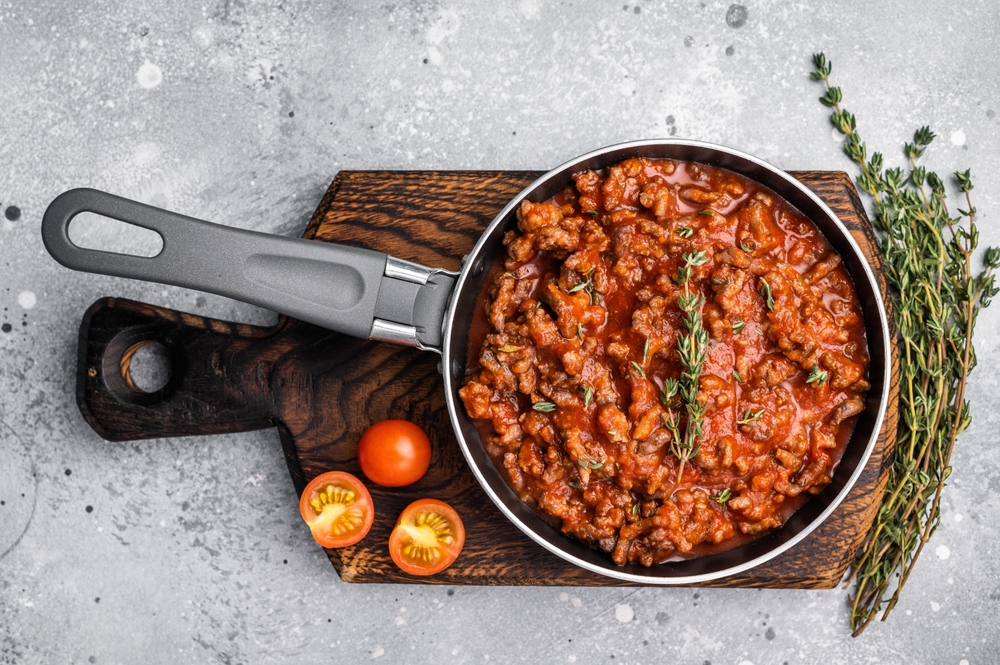
Bolognese has earned a treasured place in the hearts of food lovers around the world. Known for its rich, slow-cooked flavor and velvety texture, this meat-based sauce originated in Italy but has seen countless adaptations. Among the most indulgent and savory renditions is tenderloin bolognese — a luxurious version that elevates traditional components with one of the most prized cuts of beef. To truly appreciate this dish, one must delve into both the classic foundations of bolognese and the evolution that brought tenderloin into the spotlight. This journey reveals not just a recipe, but the deep culinary roots and creativity that make this sauce exceptional.
The Origin of Bolognese: From Bologna to the World
The roots of bolognese trace back to Bologna, a historic city in Italy’s Emilia-Romagna region. Traditional bolognese sauce, known locally as “Ragù alla Bolognese,” is a far cry from the heavily tomato-based versions many are familiar with outside Italy. The original recipe, which dates back to the 18th century, is a delicate balance of finely chopped meats, aromatic vegetables, wine, milk, and a minimal amount of tomato paste or sauce. It is simmered gently for hours, resulting in a mellow, comforting richness rather than a bold, acidic punch.
In 1982, the Italian Academy of Cuisine even registered an official recipe for Ragù alla Bolognese with the Bologna Chamber of Commerce to preserve its authenticity. According to this standard, the sauce includes ingredients like minced beef (sometimes pork), pancetta, onion, carrot, celery, tomato paste, white wine, and milk. The original version was never intended to be served with spaghetti, but rather with tagliatelle, a wider, flatter pasta that could better support the thick sauce.
However, as the dish migrated beyond Italian borders, it underwent significant adaptations. The term “spaghetti bolognese” emerged, popularized in countries like the United States, the United Kingdom, and Australia. While the name may not reflect the original pairing of pasta and sauce, it became a staple in international kitchens, beloved for its comforting familiarity.
Elevating the Classic: Introduction to Tenderloin Bolognese
While ground beef is the most commonly used meat in traditional bolognese, chefs and home cooks seeking a more refined and luxurious take have turned to beef tenderloin. Tenderloin, renowned for its buttery texture and minimal connective tissue, offers a more elegant and elevated mouthfeel compared to coarser ground meat. When carefully chopped and incorporated into the sauce, tenderloin brings a new dimension of flavor and tenderness that transforms bolognese from a rustic staple into a gourmet delight.
Tenderloin bolognese is not simply a case of swapping one meat for another. The entire preparation process may differ. Rather than browning ground beef quickly, tenderloin is often seared lightly and cooked gently to preserve its tenderness. The sauce still honors the traditional aromatic base of onion, carrot, and celery — the soffritto — but the cooking time and technique are adapted to prevent the delicate beef from becoming tough or overcooked.
What results is a sauce that is still rich and comforting but with a smoother texture and a cleaner, more refined flavor. It retains the depth of classic bolognese but elevates it with the luxurious qualities of the tenderloin cut.
Spaghetti Bolognese: A Global Phenomenon
Despite its divergence from the original Italian intentions, spaghetti bolognese has become one of the most recognized pasta dishes worldwide. It often features a robust tomato base, garlic, and a generous amount of ground meat, making it more akin to an American-style meat sauce than a true ragù. Yet, its widespread appeal cannot be denied.
This global interpretation of bolognese has opened the door to creative adaptations like tenderloin bolognese. In modern kitchens, chefs are no longer bound by rigid traditions. Instead, they blend culinary history with contemporary flair. Spaghetti remains a popular vehicle for the sauce, even if it breaks from Italian orthodoxy. Its long, thin strands may not hold the sauce as well as tagliatelle or pappardelle, but it is readily available and familiar to most home cooks.
For those seeking to elevate their spaghetti bolognese, incorporating tenderloin introduces a refined, luxurious quality while maintaining the heartwarming familiarity that defines the dish. This version marries everyday comfort with culinary sophistication, bridging the gap between tradition and innovation.
The Art of Making Tenderloin Bolognese at Home
Crafting a proper tenderloin bolognese requires attention to detail and a respect for ingredients. The key is to balance the richness of the tenderloin with the classic base elements that give bolognese its soul. Start with a finely chopped soffritto of onion, carrot, and celery, cooked slowly in olive oil or butter until it becomes soft and fragrant. Add the tenderloin in small, uniform cubes rather than grinding it, which allows the meat to retain its integrity and texture.
Deglazing the pan with white wine lifts the fond and imparts acidity, while a small amount of tomato paste adds subtle sweetness and color without overpowering the meat. Milk or cream is added to soften the acidity and lend a velvety finish to the sauce. The simmering process is more delicate than with traditional bolognese; overcooking the tenderloin would defeat its purpose.
The final sauce should coat the back of a spoon and shimmer with richness, its aromas hinting at both depth and delicacy. Pasta selection matters here. While spaghetti can be used for familiarity, tagliatelle or fresh egg pasta offers a better texture match for this refined sauce. Topping the dish with freshly grated Parmigiano-Reggiano adds a final layer of umami and completes the experience.
Culinary Innovation and the Future of Bolognese
As global culinary tastes continue to evolve, dishes like tenderloin bolognese demonstrate how classic recipes can be reimagined without losing their essence. Chefs today often seek to merge tradition with innovation, offering familiar flavors in new formats. The use of high-quality, premium ingredients like tenderloin reflects a broader trend toward ingredient-driven cuisine, where quality and sourcing matter as much as technique.
The rise of slow food movements, sustainable farming, and nose-to-tail cooking also influence how bolognese is interpreted. Some chefs may choose locally sourced beef, heirloom vegetables, or artisanal dairy to craft their tenderloin bolognese, tying it into larger food narratives about sustainability and provenance.
This modern approach does not aim to replace the traditional bolognese but rather to honor it by exploring its possibilities. Whether served in a high-end restaurant or cooked slowly on a Sunday afternoon at home, tenderloin bolognese exemplifies the enduring appeal of this iconic sauce and the boundless creativity of those who prepare it.
Conclusion
Bolognese is far more than a simple meat sauce. It is a culinary tradition rooted in Italian heritage and enriched by generations of cooks who have passed it down, adapted it, and elevated it. The introduction of tenderloin into the bolognese narrative is a testament to how timeless recipes can be reinterpreted through a modern lens without losing their soul.
From the rustic kitchens of Bologna to global dining tables, bolognese has seen many transformations. Spaghetti bolognese, while not traditionally Italian, has popularized the sauce across continents, making it a household name. Tenderloin bolognese stands as a luxurious evolution of this journey, bringing together premium ingredients, refined techniques, and a deep respect for the original dish.
As culinary landscapes shift and palates become more adventurous, dishes like tenderloin bolognese remind us that food is not just sustenance but a story — one that connects us to history, culture, and the joy of innovation. Whether you are revisiting a classic or exploring a gourmet adaptation, there is always something new to discover in the ever-evolving world of bolognese.