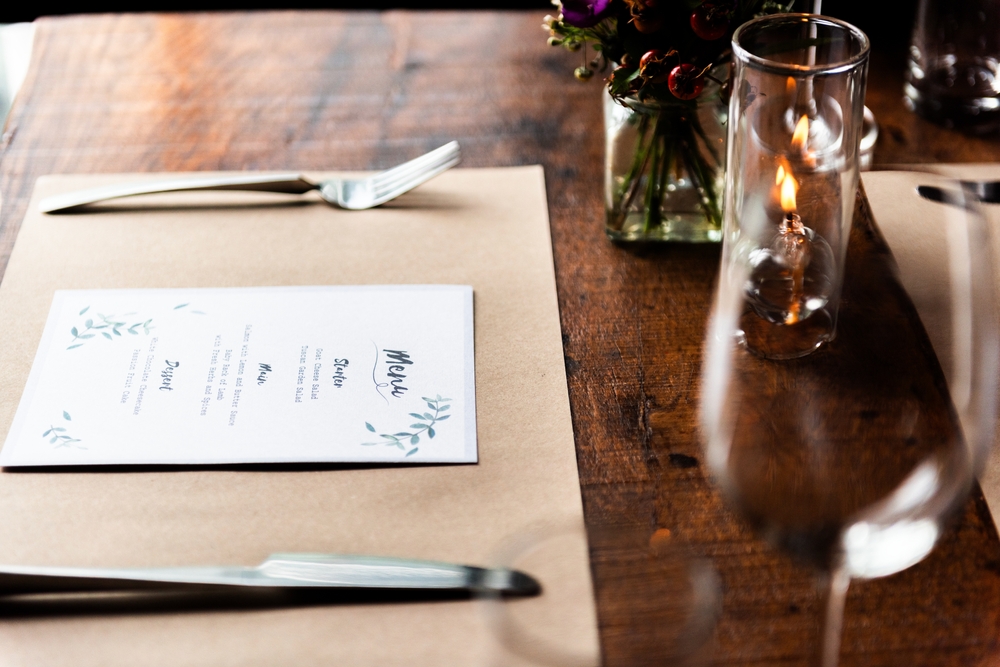
When you walk into a traditional supper club, you’re immediately immersed in a world of elegance, nostalgia, and culinary artistry. The atmosphere is thick with charm, the lighting is low, the cocktails are stiff, and the menu reads like a passport to another time and place. Supperclubs menus are more than lists of dishes; they are invitations to an experience where language plays a critical role in setting the mood and defining expectations.
But for the uninitiated, decoding a supper club menu can feel like translating a foreign language. French, Italian, and Latin terms often dominate the page, and while they may add sophistication, they can also be confusing. Understanding this vocabulary is not just about clarity; it enhances the appreciation of the meal, the chef’s intent, and the tradition behind each course. Supperclubs aren’t just about food; they’re about storytelling through cuisine.
So whether you’re planning your first visit to one of these nostalgic dining establishments or you’re already a seasoned guest looking to deepen your appreciation, this guide will help you navigate the rich and refined language of supperclubs menus.
Entrée Confusion: Clearing Up Culinary Misconceptions
One of the most common sources of confusion on traditional supperclubs menus is the term “entrée.” In the United States, it typically refers to the main course, while in classic French dining, from which many supperclubs draw inspiration, it means the entry or appetizer. This contradiction can be disorienting for diners who expect one and receive another.
In traditional supperclubs, especially those that maintain a vintage European flair, “entrée” may still hold its original French meaning. However, more often than not, the American interpretation dominates, particularly in Midwest-based supperclubs where hearty steak or fish entrées anchor the dining experience. Context is crucial, and sometimes your best bet is to simply ask your server for clarification. They’re typically well-versed in both the history and the modern vernacular of the menu.
Understanding this distinction not only prevents surprise but also highlights the evolution of culinary terms in different regions. It reflects how supperclubs menus act as a cultural bridge between the past and the present, between old-world elegance and new-world adaptation.
From Amuse-Bouche to À la Carte: A Tour Through Common Terms
Step into the finer details of any supperclub menu, and you’ll encounter a lexicon borrowed from French haute cuisine. One of the first such terms you may see is “amuse-bouche,” a bite-sized hors d’oeuvre presented before the first course, designed to stimulate the palate. Unlike an appetizer, an amuse-bouche is complimentary and selected by the chef, offering a small preview of the kitchen’s creativity.
Another term, “à la carte,” refers to ordering individual dishes rather than a fixed multi-course meal. Supperclubs often offer both styles, prix fixe and à la carte, depending on the evening’s format or the diner’s preference. “Prix fixe” itself means “fixed price,” indicating a set menu with several courses included at a singular price point.
“Crudo” (Italian for “raw”) may appear when seafood is on offer, especially in the form of thinly sliced fish like tuna or scallops, delicately dressed with citrus or oil. Similarly, “carpaccio” is a preparation of raw meat or fish, sliced paper-thin and usually served cold.
These terms may seem exclusive, but they serve a purpose beyond tradition. They communicate precision, technique, and intent. Each word is a shorthand for a style, a history, or a method of preparation that’s been refined over generations. Supperclubs use these terms not to alienate, but to offer a richer narrative to those who listen closely.
Sides, Sauces, and Styles: Navigating Garnishes and Preparations
Beyond the main course descriptions, traditional supperclubs menus also dive deep into how dishes are prepared and accompanied. Terms like “en croûte,” meaning “in a crust,” may describe a beef Wellington-style preparation wrapped in pastry. “Gratin” refers to a dish topped with a browned crust, often of cheese or breadcrumbs, like a potato gratin rich with cream and butter.
You may also see “beurre blanc,” a luxurious butter-based sauce made with white wine and vinegar reduction. “Demi-glace” is another staple, a deeply flavorful sauce made by reducing brown stock and wine, often used to accompany steaks or roasts. “Rémoulade,” often served with crab cakes or fried green tomatoes, is a zesty sauce similar to tartar, spiced with mustard, herbs, and pickles.
When it comes to preparation styles, “sous vide”, meaning “under vacuum”, refers to cooking food slowly in a vacuum-sealed bag submerged in water at a precise temperature. This method ensures maximum flavor retention and even cooking, and though it’s a modern technique, many forward-thinking supperclubs have adopted it to elevate traditional dishes.
Even the sides often carry classic terminology. “Haricots verts” may replace simple green beans, while “pommes purée” elevates mashed potatoes to their silkiest form. Each term speaks to the care and detail embedded in the supperclub tradition, where every component of the plate has purpose and pedigree.
Desserts and Digestifs: Ending on a High Note
The final act of the supperclub experience brings with it another set of refined terms, each one signaling sweetness, indulgence, or post-dinner relaxation. The dessert section might include “crème brûlée,” a silky custard with a caramelized sugar top that’s torched to a delicate crackle. “Tarte Tatin,” an upside-down caramelized apple tart, is another French classic that appears in some supperclubs that lean into traditional patisserie.
“Panna cotta,” an Italian creation, is a molded cream dessert often infused with vanilla and paired with fruit. If a chocolate dessert appears as “fondant” or “moelleux,” expect a molten, gooey center that pours like lava from the cake’s core.
As the meal winds down, “digestifs” are offered; these are after-dinner drinks meant to aid digestion. Popular choices include brandy, cognac, grappa, or amaro. In some supperclubs, particularly those with a robust cocktail program, you might also find dessert wines like port or sherry on offer. Each option continues the dining narrative, providing a satisfying close to an already immersive experience.
Understanding these terms allows diners to make more informed decisions, ask more insightful questions, and ultimately enjoy their meals more fully. Supperclubs are known for unhurried, celebratory dining, and being able to speak the language of the menu enhances that leisurely, indulgent atmosphere.
Embracing the Culture of Supperclubs Through Their Menus
Supperclubs offer more than meals; they offer moments. They take us back to an era when dining out was an event, not just a transaction. In this environment, every element is curated for ambiance and impact, from the lighting and live music to the tableside Caesar salad preparation and, of course, the carefully crafted supperclubs menus.
By learning the glossary of fine dining terms that populate these menus, diners unlock a deeper layer of the experience. Words that once felt intimidating become familiar. Confusing phrases transform into signposts of culinary craftsmanship. What emerges is not just understanding, but appreciation, of the chef’s vision, of cultural tradition, and of the artistry of the supperclub itself.
The next time you visit a supperclub, let the language of the menu guide you, not bewilder you. Ask questions. Savor the meanings. And most importantly, enjoy every course not just with your taste buds, but with a new awareness of the stories these dishes tell. Supperclubs are rich with history and flavor, and their menus are the perfect place to begin discovering both.