
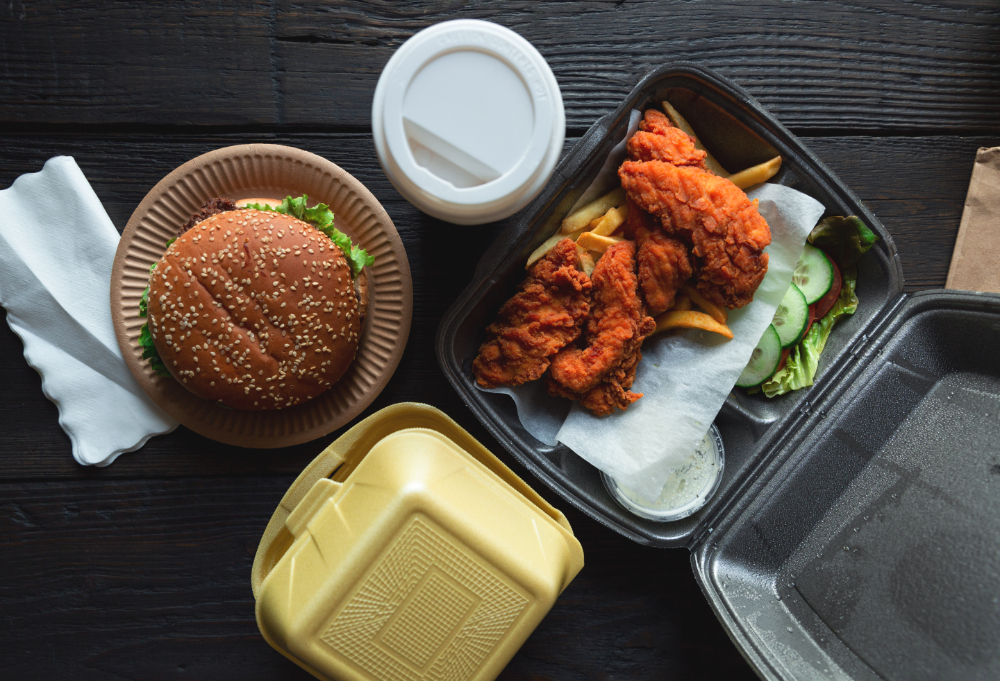
There is something deeply satisfying about a great supper club meal. Whether you are celebrating a birthday, enjoying a Friday night out with friends, or simply treating yourself to a classic prime rib or walleye fillet, supper clubs are known for their generous portions. More often than not, you leave with a takeout box tucked under your arm, full of delicious leftovers that deserve just as much care as the meal itself.
But what happens when those leftovers sit in your car for too long, or get shoved to the back of the fridge without a second thought? Food safety becomes the deciding factor between a great lunch the next day and a trip to urgent care.
Storing your supper club leftovers correctly is not complicated, but it does require a little intention. Understanding the basics of restaurant food safety and applying them at home will help you enjoy every last bite without worry.
Get Your Leftovers Into the Fridge Quickly
The single most important rule of food safety is time and temperature control. The USDA defines the “danger zone” as temperatures between 40 degrees Fahrenheit and 140 degrees Fahrenheit. Within this range, bacteria multiply rapidly, potentially doubling in number every 20 minutes. Perishable food should never sit in that range for more than two hours total, and if the outdoor temperature is above 90 degrees Fahrenheit (which is very common in Southern California summers), that window drops to just one hour.
After a supper club dinner, it is easy to linger over dessert, drive across town, and stop for gas before making it home. All of that time counts. If you know your commute home is going to take a while, ask your server to pack your leftovers in a container that can sit near your car’s air conditioning vent. Once you are home, refrigerate everything immediately. Do not let the takeout box sit on the counter while you get ready for bed. Those extra 30 minutes matter more than most people realize when it comes to restaurant food safety.
Use the Right Containers for the Right Foods
Not all takeout containers are created equal, and transferring your leftovers into proper storage containers at home is one of the smartest habits you can build. Styrofoam and thin plastic clamshell boxes are designed for transport, not long-term storage. They do not seal tightly, which allows air to dry out your food and introduce odors from other items in the refrigerator.
For best results, transfer your supper club leftovers into airtight glass or BPA-free plastic containers as soon as you get home. Glass containers are particularly good for storing saucy dishes like braised short ribs or chicken marsala because they do not absorb odors or stains. Shallow containers are preferable to deep ones because they allow food to cool more evenly and quickly in the refrigerator, which is a key principle of food safety.
Keep proteins, starches, and vegetables stored separately when possible. Your slice of prime rib will stay juicier if it is not sitting on top of a pile of mashed potatoes overnight. Keeping them apart also gives you more flexibility when reheating, since different foods require different times and temperatures to come back to life properly.
Know How Long Your Leftovers Actually Last
One of the most common mistakes people make with restaurant food safety is overestimating how long leftovers stay safe to eat. The general rule is simple: most cooked leftovers should be consumed within three to four days when stored in the refrigerator at or below 40 degrees Fahrenheit. After that point, even food that looks and smells fine may have developed harmful bacterial levels that are not detectable by sight or smell alone.
Certain supper club staples have their own timelines worth knowing. Seafood dishes, including that gorgeous broiled walleye or shrimp cocktail, should ideally be eaten within two days for both safety and quality. Soups and stews tend to hold up very well and can last the full four days. Dishes with creamy sauces or dairy-based components, like a chicken in cream sauce or au gratin potatoes, are best eaten within two to three days.
If you know you will not get to your leftovers within that window, freezing is your best option. Most cooked supper club dishes freeze well when wrapped tightly. Label everything with the date so you are not playing a guessing game three weeks later. Frozen leftovers are safe indefinitely from a food safety standpoint, but quality begins to decline after two to three months.
Reheat Your Leftovers the Right Way
Reheating is where many people undo all of their careful storage work. The goal when reheating leftovers is to bring the internal temperature of the food back up to 165 degrees Fahrenheit throughout, which is the standard recommended by food safety guidelines for killing any bacteria that may have developed during storage. A food thermometer is your best friend here, especially for thick cuts of meat or dense casseroles where the exterior can feel hot while the center remains cold.
The oven is the best method for reheating most supper club foods. It heats food more evenly than a microwave and does a much better job of preserving texture. Place your leftovers in an oven-safe dish, cover it loosely with foil to retain moisture, and reheat at around 325 to 350 degrees Fahrenheit until the food reaches that 165-degree internal temperature. For something like a thick piece of prime rib, this might take 20 to 30 minutes. Adding a small splash of beef broth before covering it with foil will help keep the meat moist and flavorful.
For soups and braised dishes, reheating on the stovetop over medium heat is ideal. Stir frequently and bring the dish to a full simmer to ensure it heats all the way through. Avoid the temptation to reheat on the lowest possible setting just to be gentle with the food. You need that temperature to climb.
Microwaves are convenient, but they require extra care. Use a microwave-safe container, cover the food with a microwave-safe lid or damp paper towel to trap steam, and stop to stir or rotate the dish halfway through heating. Microwaves are notorious for creating hot spots and cold spots, which is a real restaurant food safety concern when reheating proteins. Always verify the temperature with a thermometer before eating.
One important rule that cannot be overstated: never reheat leftovers more than once. Each time food is cooled and reheated, you create additional opportunities for bacterial growth during those transitions through the danger zone. Reheat only what you plan to eat in a single sitting.
Conclusion
Supper club meals deserve to be savored twice. By getting your leftovers into the refrigerator quickly, storing them in proper containers, respecting their shelf life, and reheating them to the correct temperature, you protect both your health and the quality of the food. The principles of food safety and restaurant food safety are not complicated, but they do require consistency. A little care goes a long way toward turning last night’s elegant dinner into an equally satisfying meal the next day.